
Image
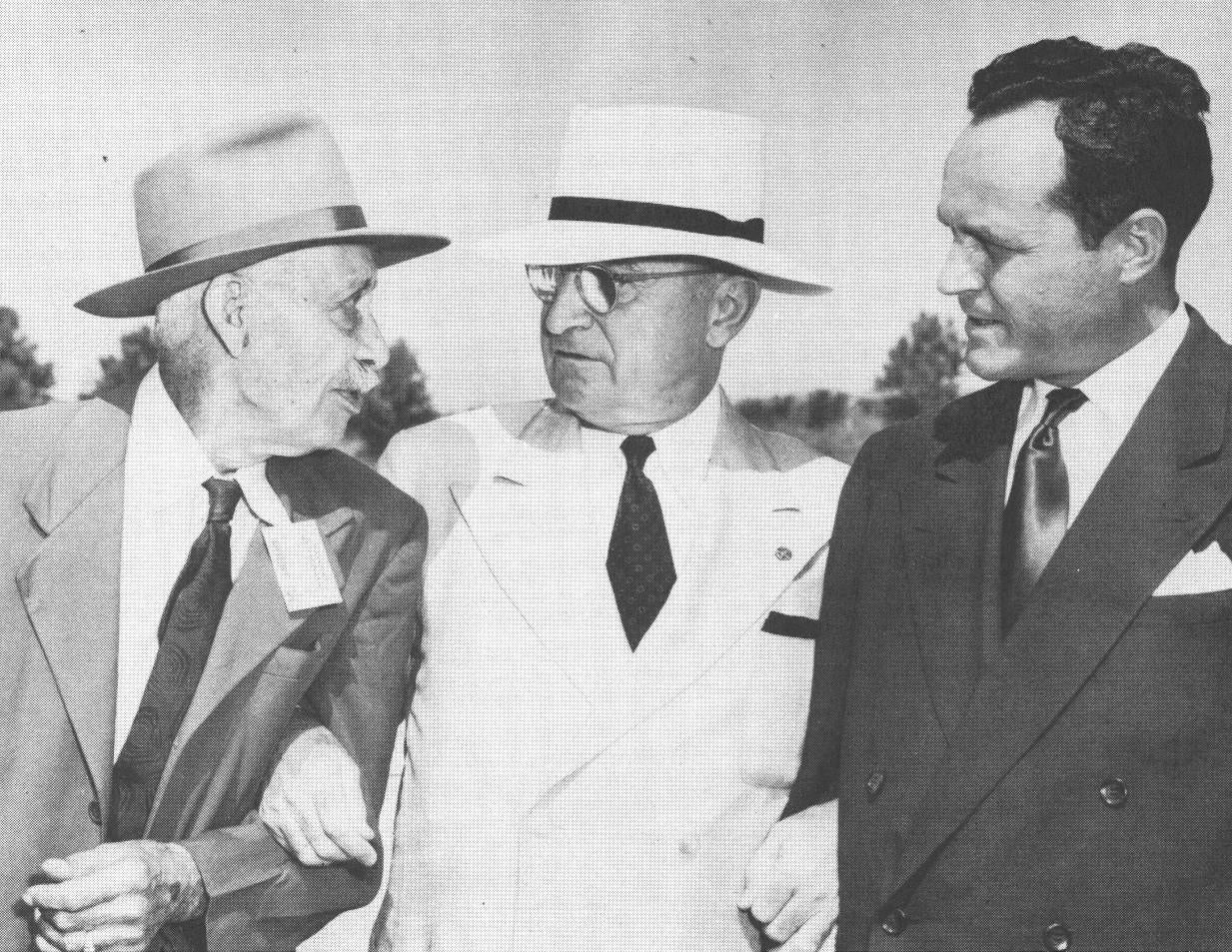
John Hobbs (L), President Harry S Truman (C), Sid McMath, Arkansas Governor (R) at the dedication of Bull Shoals Dam.
1930s–1940s: Foundation & Early Development
KAMO’s story began during a transformative period in rural electrification across Oklahoma and the surrounding region. During these early years, KAMO was formed by member-owner cooperatives, secured its first federal financing through the REA, began building its transmission system, and started delivering power generated from Pensacola Dam into Missouri. Despite setbacks during World War II, the cooperative laid the groundwork for what would become a regional generation and transmission organization serving thousands of rural consumers.
1950s: Expansion & Infrastructure Growth
Throughout the 1950s, KAMO continued expanding its system and operational capabilities as electric service demand grew across rural communities. The cooperative expanded into Missouri, relocated its headquarters, added new member-owner cooperatives, and invested in technologies such as two-way radio communications and supervisory control systems. These efforts helped strengthen coordination and positioned KAMO for continued regional growth.
Image
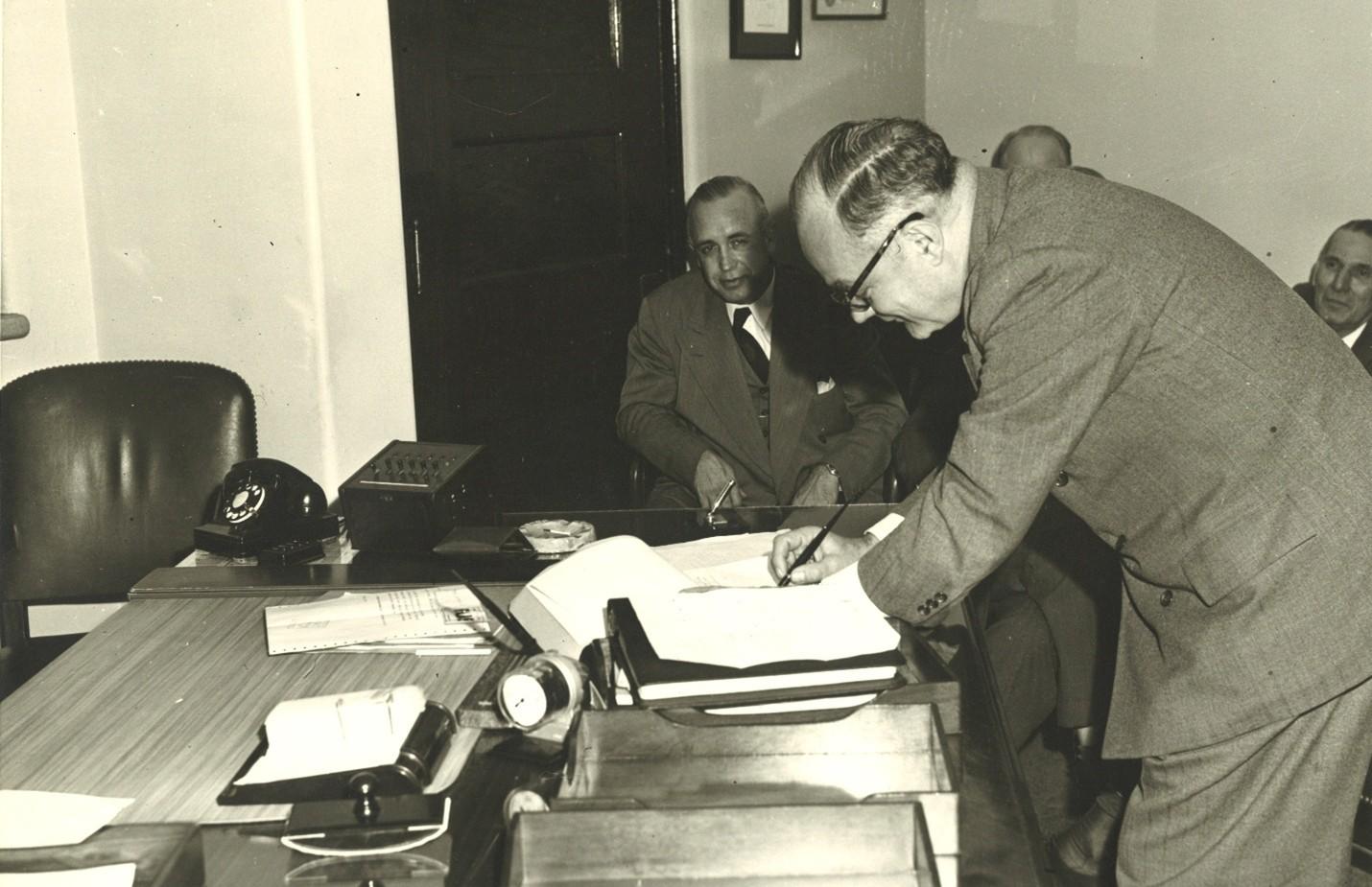
REA Administrator Claude R. Wickard signs KAMO’s loan for $10.533 million on December 12, 1950. KAMO President J.G. “Jim” Williams can be seen behind him on the far right.
Image
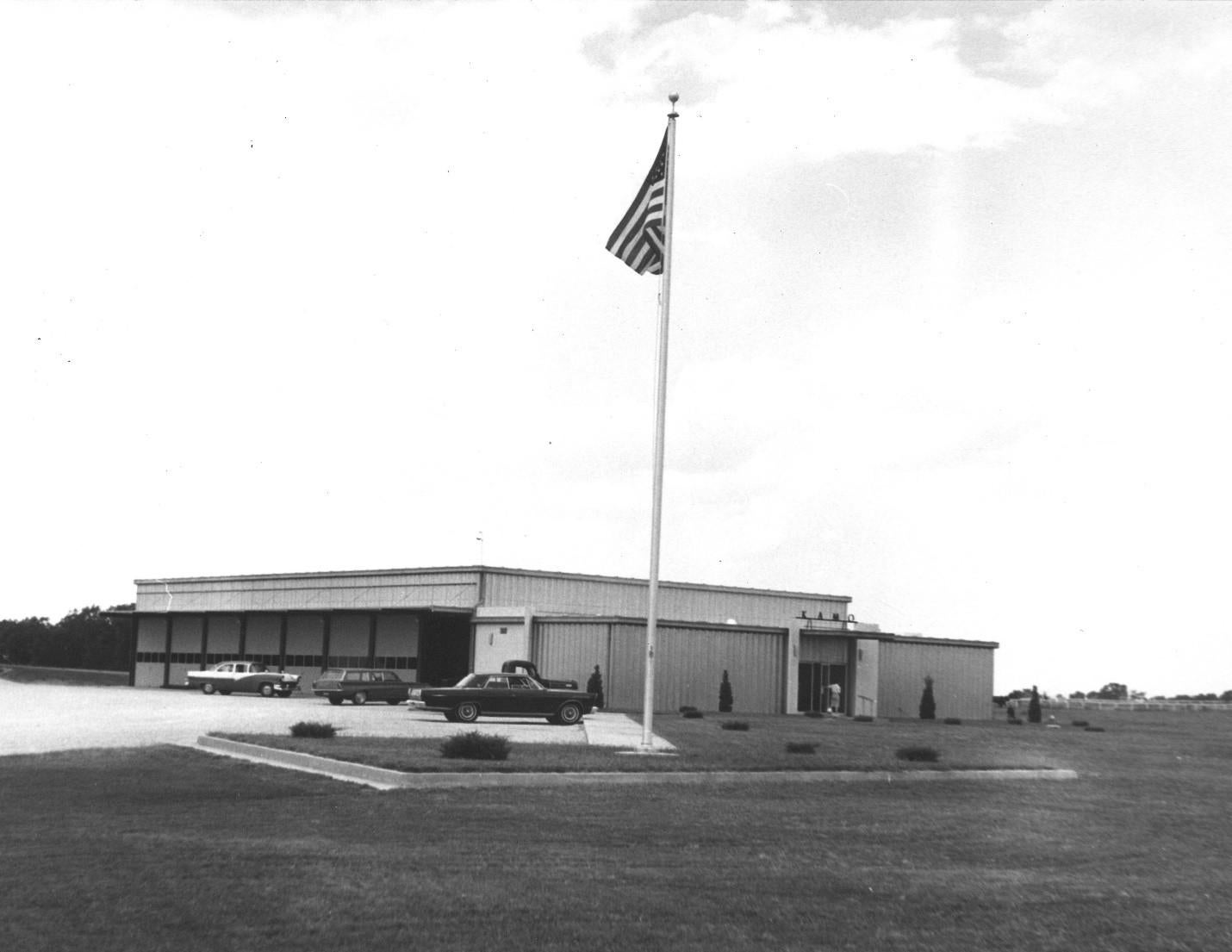
April 12, 1964, was a big day in KAMO’s history: Open house for the new Field Headquarters Building in El Dorado Springs, MO. From here, KAMO operators monitored and controlled the Missouri transmission system for over 20 years.
1960s: Regional Power Partnerships
The 1960s marked a major turning point in regional power cooperation. During this decade, KAMO became a member-owner of Associated Electric Cooperative, Inc. (AECI), strengthening long-term generation planning and power supply coordination with neighboring generation and transmission cooperatives. During this same period, KAMO expanded its transmission network, added key substations and interconnections, and continued supporting growing electric demand across its service territory.
1970s: Communications & Membership Changes
As the electric grid became more advanced, KAMO focused on improving communication systems and operational coordination throughout the 1970s. Microwave communication system expansions enhanced system reliability and dispatch capabilities, while a new headquarters facility and membership changes reflected the evolving needs of the cooperative network. Annual energy sales also reached new milestones during this decade of continued growth.
Image
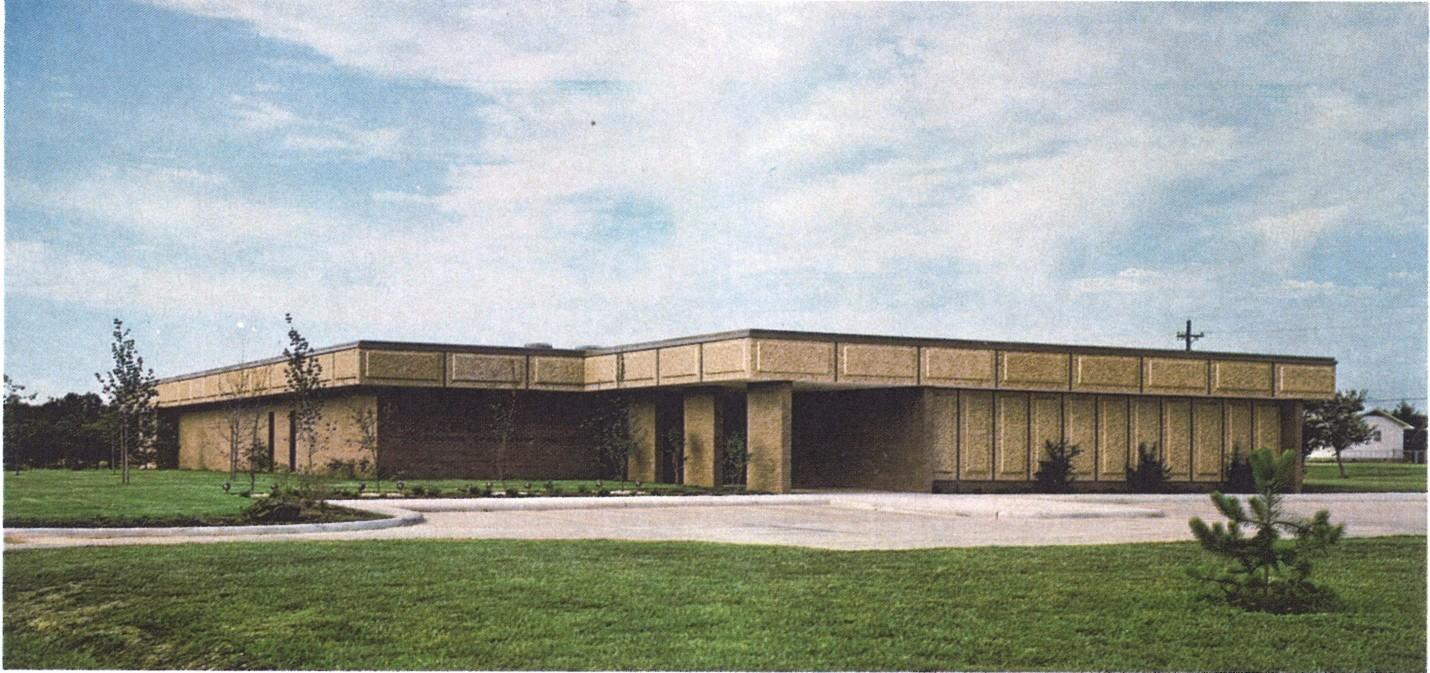
KAMO relocates from downtown Vinita to a new headquarters facility on the west side of town, supporting future growth and expanded partnerships with GRDA.
Image
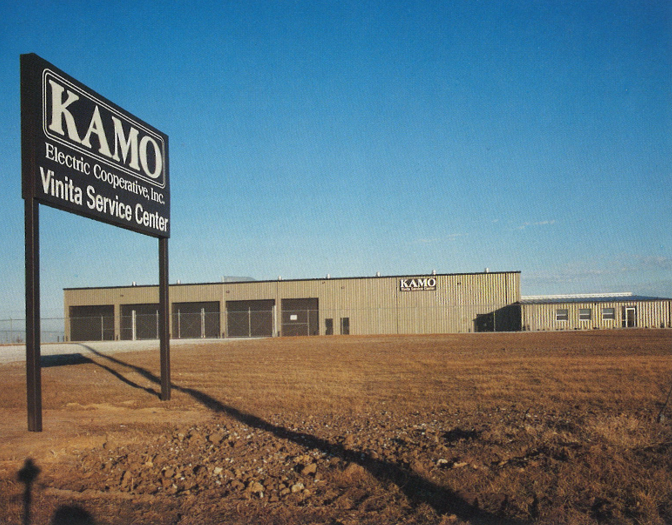
KAMO Service Center completed in Vinita to support maintenance operations and equipment storage.
1980s: Dispatch & Telecommunications Growth
The 1980s brought major advancements in dispatch operations and telecommunications infrastructure. KAMO expanded telecommunications partnerships, after-hours call center services, and completed a new facility dedicated to supporting substation and communication system maintenance. These investments helped improve operational efficiency and strengthened support services for member-owner cooperatives across the region.
1990s: Rebranding & Economic Development
During the 1990s, KAMO expanded beyond traditional electric operations by increasing its focus on economic development, technology, and regional connectivity. The cooperative officially rebranded to “KAMO Power,” launched new economic development initiatives through KAMO Economic Development Corporation (KEDCORP), expanded fiber-optic and telecommunications efforts, and opened additional area offices. This decade also included significant leadership transitions and continued modernization of system operations.
Image
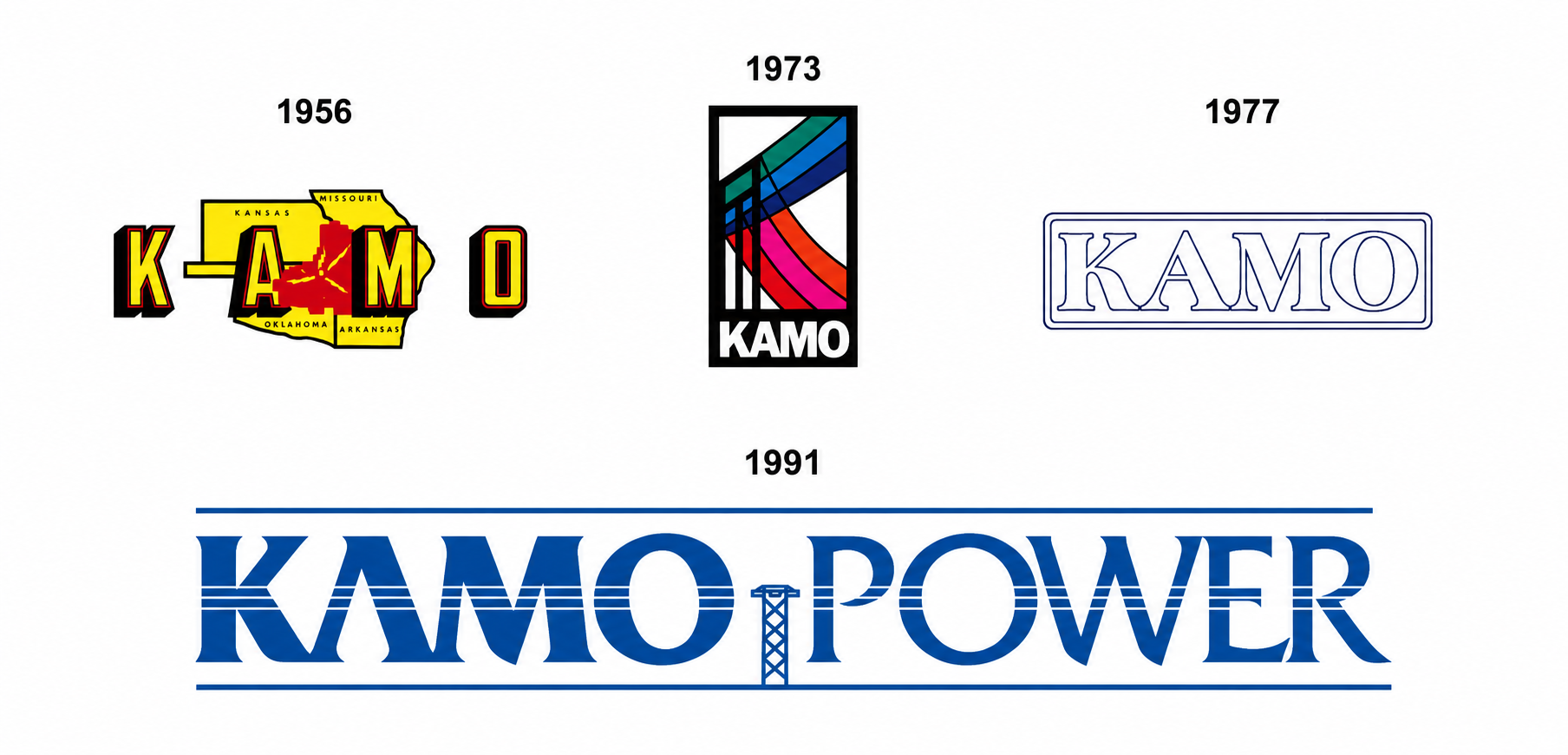
Logo evolution showcasing KAMO’s modernization and rebranding efforts leading to “KAMO Power” in 1991.
Image
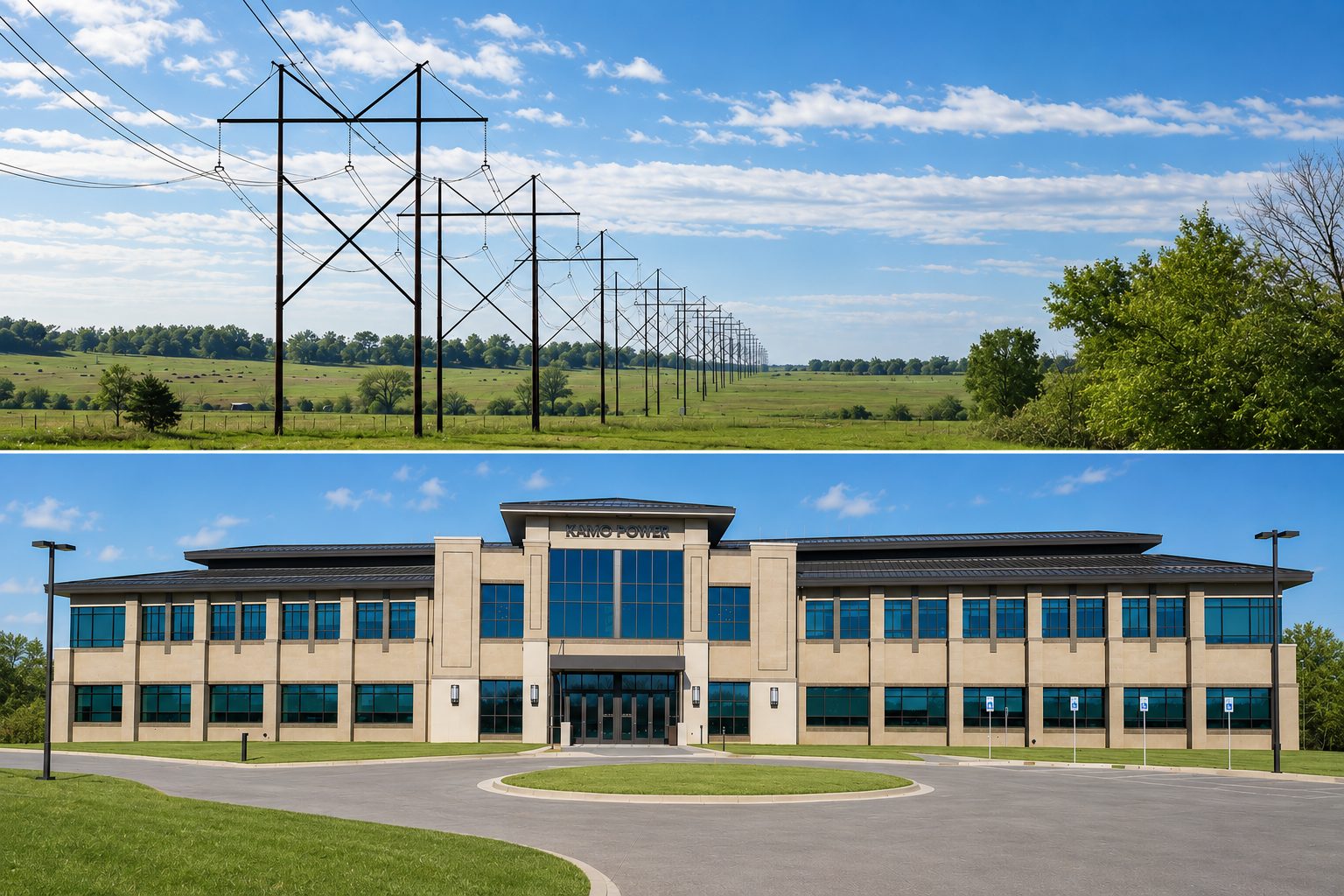
Major transmission expansion and headquarters modernization projects supported KAMO’s continued regional growth and system reliability.
2000s–2010s: Modernization & Major Transmission Projects
KAMO continued investing heavily in grid modernization throughout the 2000s and 2010s. Major milestones included expansion of the cooperative’s fiber-optic network, construction of a 100-mile 345 kV transmission line between Missouri and Oklahoma, and development of new substations that strengthened regional reliability. KAMO also completed a major headquarters expansion and modernization project while continuing to support increasing regional electric demand.
2020s–Present: Reliability, Growth & Workforce Development
In recent years, KAMO has focused on maintaining reliable electric service while supporting the evolving energy needs of its member-owner cooperatives. During this period, KAMO maintained reliable power delivery through Winter Storm Uri and other adverse conditions while supporting new AECI generation development, including the Ripley Energy Center. KAMO also launched the Emerging Leaders Program (ELP) and KAMO Youth Academy (KYA), while expanding Distribution Dispatch Services (DDS) into a 24/7/365 operation supporting 29 cooperatives across multiple states.
Image
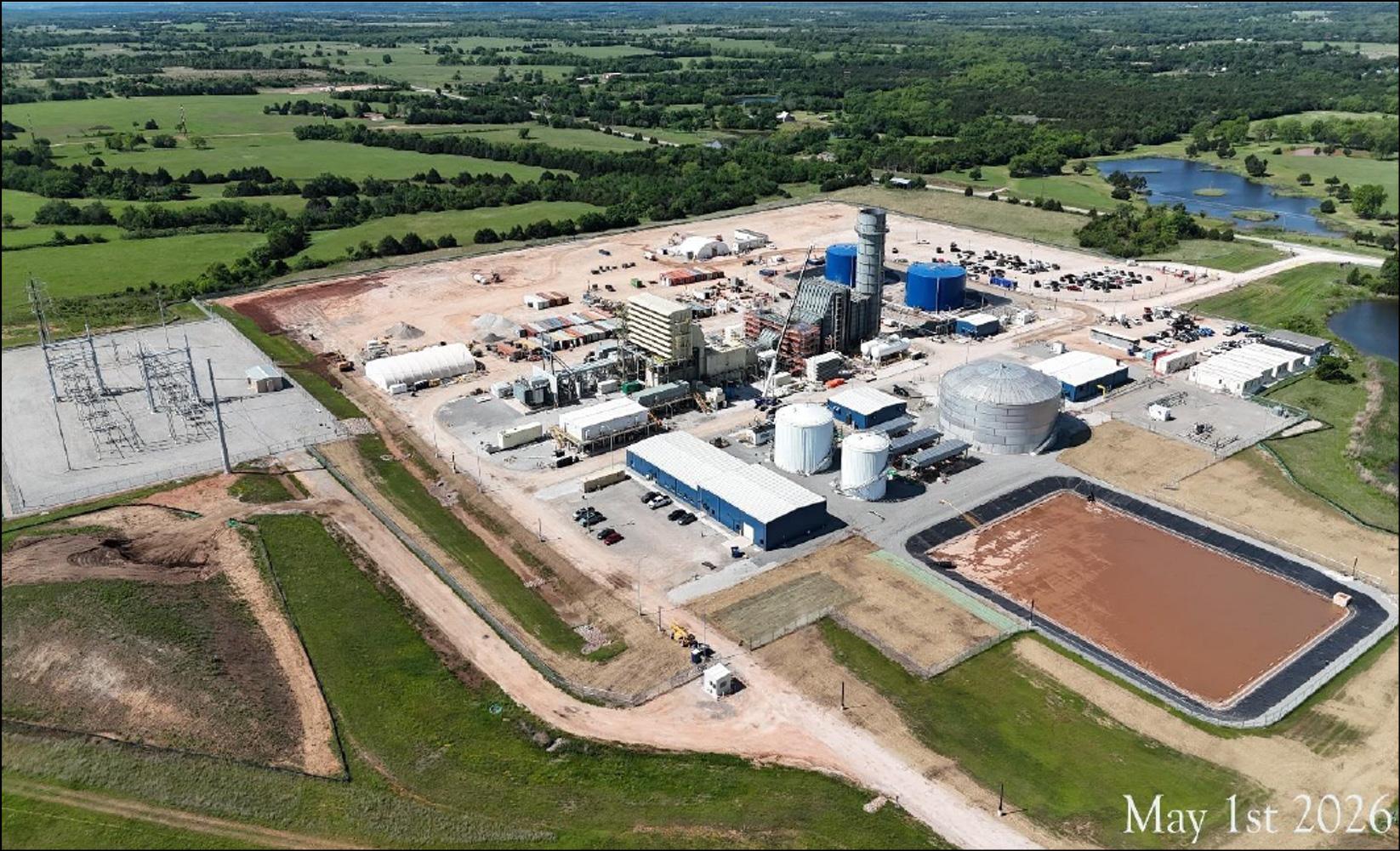
Construction of the Ripley Energy Center represents KAMO’s continued focus on reliability, regional growth, and supporting the future energy needs of member-owner cooperatives.